
Steps to a Successful Professional Blood Draw
- Tequella

- Apr 14
- 4 min read
Having your blood drawn can feel a bit intimidating, but it doesn’t have to be. With the right preparation and understanding, you can make the process smooth and stress-free. Whether you are visiting a clinic, attending a corporate wellness event, or receiving care at home, knowing what to expect helps you stay calm and confident. This guide will walk you through the essential steps to ensure a successful professional blood draw.
Preparing for Your Professional Blood Draw
Preparation is key to a smooth blood draw experience. Here are some simple steps you can take before your appointment:
Stay hydrated. Drinking plenty of water before your blood draw makes your veins easier to find and reduces discomfort.
Follow fasting instructions. If your test requires fasting, avoid eating or drinking anything except water for the recommended time.
Wear comfortable clothing. Choose a short-sleeved shirt or one with sleeves that can easily be rolled up.
Inform the phlebotomist about your medical history. Let them know if you have any allergies, bleeding disorders, or if you feel faint during blood draws.
Relax and breathe deeply. Anxiety can make veins constrict, so try to stay calm.
By taking these steps, you help the phlebotomist do their job efficiently and reduce your own discomfort.
What is the blood draw?
A blood draw is a simple medical procedure where a small amount of blood is taken from your vein for testing. This helps doctors check your health, diagnose conditions, or monitor treatments. The process usually involves inserting a thin needle into a vein, often in your arm, to collect the blood into tubes.
The procedure is quick, typically lasting only a few minutes. The collected blood is then sent to a lab for analysis. Tests can measure things like blood sugar, cholesterol, or detect infections. Understanding this can ease your mind and help you cooperate during the process.
Step-by-Step Guide to a Successful Blood Draw
Here is what you can expect during a professional blood draw and how you can help make it successful:
Check-in and identification. You will be asked to confirm your identity and the tests ordered. This ensures the right samples are collected.
Positioning. You will sit or lie down comfortably. The phlebotomist will ask you to extend your arm.
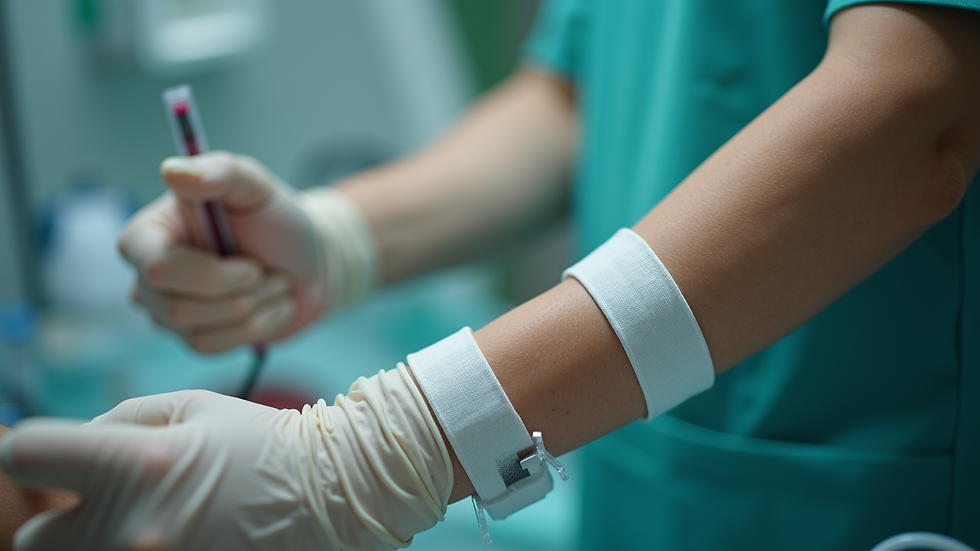
Vein selection. The phlebotomist will look for a suitable vein, usually in the inner elbow area. They may apply a tourniquet to make veins more visible.
Cleaning the site. The skin will be cleaned with an antiseptic wipe to prevent infection.
Needle insertion. A sterile needle is gently inserted into the vein. You may feel a quick pinch or slight pressure.
Blood collection. Blood flows into collection tubes. You might be asked to hold still and avoid moving your arm.
Needle removal and bandaging. Once enough blood is collected, the needle is removed, and a cotton ball or gauze is placed on the site. A bandage is applied to stop any bleeding.
Aftercare instructions. You may be advised to keep the bandage on for a few hours and avoid heavy lifting with that arm.
Following these steps calmly and cooperating with the phlebotomist helps ensure the process is quick and successful.
Tips to Make Your Blood Draw Easier
If you have had difficult experiences with blood draws before, these tips can help:
Stay hydrated. Drinking water before your appointment makes veins plumper and easier to access.
Eat a light meal if fasting is not required. Low blood sugar can cause dizziness.
Distract yourself. Look away from the needle and focus on deep breathing or a calming image.
Communicate. Tell the phlebotomist if you feel nervous or have had problems with blood draws in the past.
Ask for a smaller needle if you have small veins. Some clinics offer butterfly needles for easier access.
Apply pressure after the draw. This helps reduce bruising.
These simple actions can make a big difference in your comfort and the success of the blood draw.
Why Professional Blood Draw Services Matter
Using a certified, reliable phlebotomist ensures your blood draw is done safely and correctly. Professional phlebotomists are trained to:
Find veins quickly and gently
Use sterile techniques to prevent infection
Handle samples properly to avoid errors
Provide compassionate care to reduce patient anxiety
Whether you need coverage for a few shifts, ongoing support, or mobile specimen collection, professional blood draw services help healthcare teams focus on patient care without worrying about staffing or compliance. This reliability is especially important in settings like home health, nursing homes, clinics, and corporate wellness events.
What to Do After Your Blood Draw
After your blood draw, taking care of yourself helps prevent complications:
Keep the bandage on for at least 30 minutes.
Avoid heavy lifting or strenuous activity with the arm used.
Drink plenty of fluids to replenish blood volume.
Watch for signs of bruising or swelling. If you notice unusual pain or bleeding, contact your healthcare provider.
Resume normal eating unless otherwise instructed.
Following these aftercare tips supports healing and ensures your test results are accurate.
Your Next Steps for Health and Wellness
A successful blood draw is an important step in managing your health. By preparing well, staying calm, and trusting the professionals, you help ensure accurate test results and a positive experience. Remember, your healthcare team is there to support you every step of the way.
If you need reliable, professional blood draw services, consider working with certified phlebotomists who understand your needs and provide timely, compliant care. This partnership helps you focus on what matters most - your health and well-being.
For more information on how to prepare and what to expect, visit this Blood draw resource.
Taking these steps will help you feel confident and comfortable during your next professional blood draw. Your health journey is important, and every detail counts.


Comments